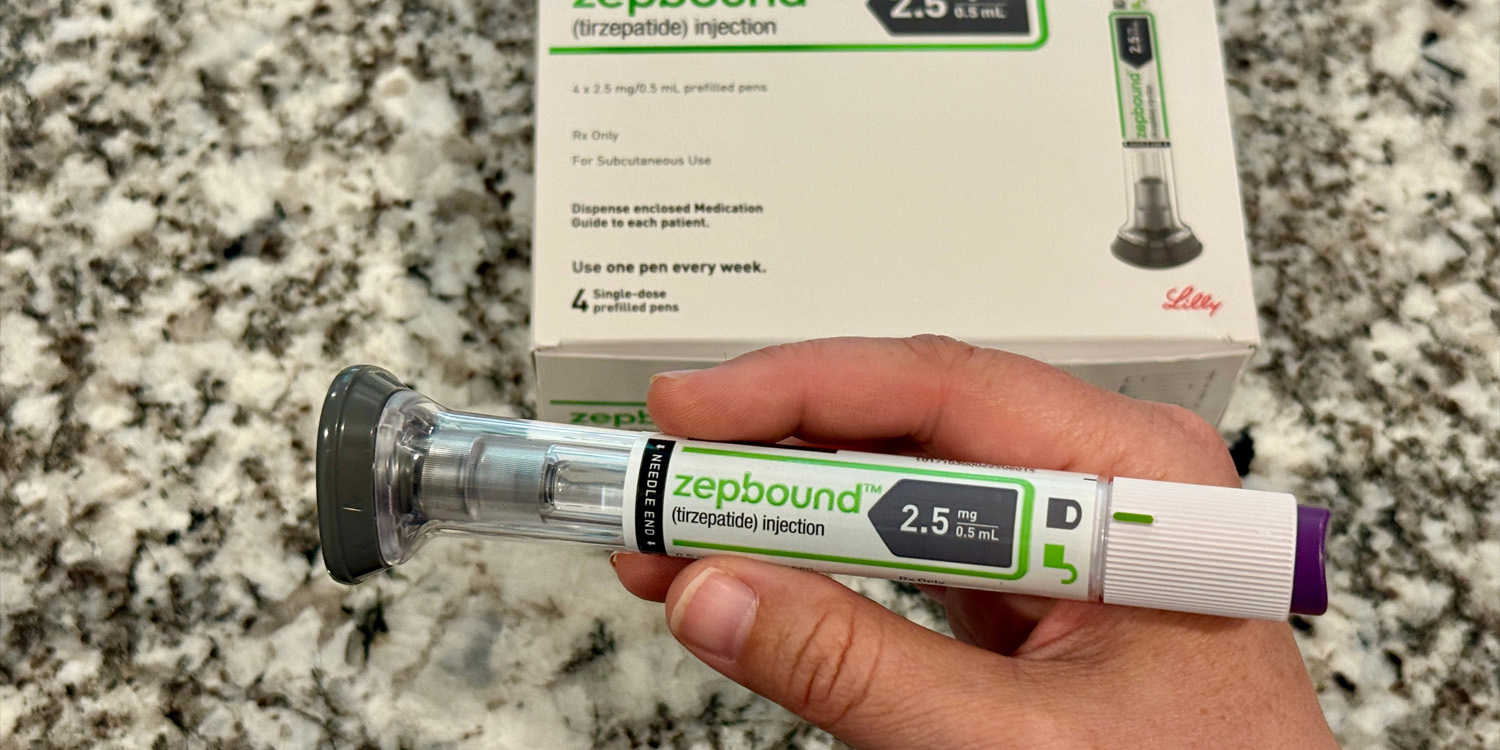
A medication currently used to treat diabetes and obesity may offer a new way to help people struggling with alcohol addiction. A recent study published in eBioMedicine found that the drug tirzepatide reduces alcohol consumption and prevents relapse behaviors in rodents. These results suggest that medications targeting the body’s metabolic hormones could eventually become an option for treating alcohol use conditions.
Alcohol addiction is a pervasive condition with limited medical treatments. Existing medications only work for some people and are not widely prescribed. This gap in care has prompted researchers to look for alternative approaches that target different systems in the body.
Recently, researchers have turned their attention to medications that mimic hormones produced in the gastrointestinal tract. These hormones naturally regulate blood sugar levels and the feeling of fullness after eating a meal. Medications like semaglutide mimic one of these hormones, called glucagon-like peptide-1.
These metabolic drugs have shown early promise in reducing alcohol intake in both animal studies and human trials. Tirzepatide is a newer medication that mimics two different gut hormones at the same time. It targets the glucagon-like peptide-1 receptor alongside another receptor for a hormone called glucose-dependent insulinotropic polypeptide.
The medication is already approved and widely used for the treatment of diabetes and obesity. Because it activates two biological pathways at once, it often produces stronger metabolic effects than single-hormone drugs. The research team wanted to know if this dual-action drug could also influence the brain circuits that drive alcohol consumption.
Christian E. Edvardsson, a researcher in pharmacology at the University of Gothenburg in Sweden, led the investigation. He collaborated with colleagues at his home institution and the Medical University of South Carolina. The team sought to systematically test how tirzepatide affects different patterns of alcohol drinking in animals.
The researchers first tested how tirzepatide affects the brain’s reward system using male mice. Alcohol normally triggers a release of dopamine, a chemical messenger in the brain that creates feelings of pleasure and reinforces habits. The team measured dopamine levels in the nucleus accumbens, a key brain region involved in motivation and reward processing.
When the mice received alcohol, their dopamine levels spiked. However, when the researchers gave the mice tirzepatide before the alcohol, this dopamine surge was mostly blocked. The drug prevented the chemical reward usually associated with alcohol consumption.
To see if this effect was direct, the researchers delivered alcohol directly into the nucleus accumbens of some mice, rather than injecting it into their bodies. Tirzepatide still blocked the dopamine release. This suggests the medication interacts directly with the brain’s reward circuitry.
The team also observed the animals’ physical behavior to see if the drug altered their preference for alcohol. They used a testing enclosure where one specific room was repeatedly paired with alcohol injections. Over time, mice usually learn to prefer spending time in the alcohol-associated room because they connect it with a rewarding feeling.
Mice treated with tirzepatide did not show a preference for the room paired with alcohol. The researchers also tested the animals after a two-week period with no alcohol or behavioral testing, reintroducing neutral smells that had previously been paired with alcohol. Tirzepatide continued to block their preference for the alcohol-associated environment and its specific smells.
Next, the researchers examined voluntary drinking habits in both male and female rats. They used an intermittent access model, which provides the animals with alcohol every other day to encourage heavier drinking. A single dose of tirzepatide cut the animals’ alcohol consumption by more than half, and it also decreased their overall preference for alcohol compared to plain water.
The team then set up a different experiment to simulate binge drinking in mice. They gave the mice short, concentrated periods of access to alcohol during their most active hours in the dark. Tirzepatide effectively reduced this intensive drinking behavior in both male and female mice.
To study relapse, the researchers temporarily took alcohol away from rats that had grown accustomed to drinking it. Normally, this forced abstinence causes animals to drink much more than usual once the alcohol is returned. This temporary spike in consumption models the urge to relapse in humans.
When the researchers administered tirzepatide before returning the alcohol, the rats did not show this spike in drinking. Instead of drinking more, their alcohol intake dropped below their original baseline levels. The drug successfully prevented the relapse-like behavior.
The researchers also wanted to know if the drug would keep working over a longer period. They gave the rats tirzepatide repeatedly over two weeks. The rats maintained their lowered alcohol intake throughout the entire period without building a tolerance to the medication.
Chronic alcohol use often causes liver damage and widespread inflammation in the body. The research team analyzed the tissues of the rats after the two-week drinking period. They found that tirzepatide reduced liver weight and lowered fat deposits in the liver.
The medication also decreased the levels of inflammatory proteins in the blood. This dual effect on both drinking behavior and metabolic health could be highly relevant for patients. Many people dealing with alcohol addiction also suffer from liver disease and metabolic issues.
Finally, the team looked closer at brain activity to understand where the drug might be exerting its effects. They measured electrical signals in various reward-related brain regions of mice. They noticed lasting changes in electrical activity within the lateral septum, an area of the brain that helps regulate emotional responses and motivation.
By analyzing the proteins in the lateral septum of alcohol-consuming rats, the researchers found changes in specific proteins called histones. Histones act like tiny spools that DNA winds around inside a cell. They help control which genes are turned on or off.
Alcohol consumption often alters these proteins, a process that changes how genes are expressed in the brain. The study suggests tirzepatide might interact with this process to alter drinking behavior. The exact mechanism connecting these protein changes to reduced alcohol intake requires more investigation.
While these results offer a promising new direction, the study has a few limitations that warrant attention. The researchers only used male animals for the experiments involving brain chemistry, electrical activity, and protein analysis. Because male and female brains can respond differently to addiction and to certain medications, future studies need to include female animals in these specific tests.
The drug also caused the animals to eat less and lose weight. While this might benefit people dealing with both alcohol addiction and obesity, it could cause unwanted weight loss in other patients. Doctors would need to monitor this side effect in clinical settings.
Researchers still need to conduct human clinical trials to confirm if tirzepatide is safe and effective for treating alcohol addiction in people. “This is not yet a new treatment for alcohol use disorder. But the findings reinforce the view that drugs targeting these neural systems may be relevant to investigate further as potential treatment options,” says Elisabet Jerlhag Holm, Professor of Pharmacology at the Sahlgrenska Academy, University of Gothenburg.
The study, “Tirzepatide reduces alcohol drinking and relapse-like behaviours in rodents,” was authored by Christian E. Edvardsson, Louise Adermark, Sam Gottlieb, Safana Alfreji, Thaynnam A. Emous, Yomna Gouda, et al.